Sizzle Your Way to Flavor: Mastering Beef Fajitas at Home
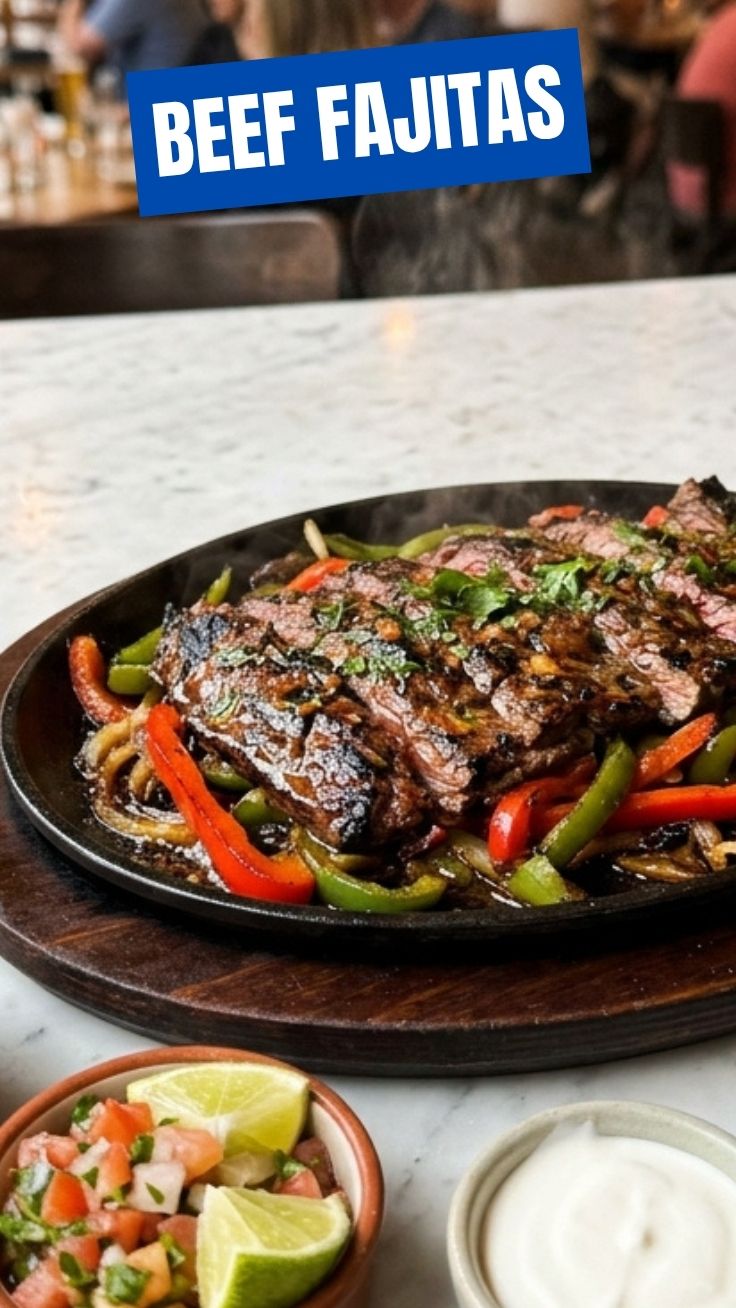
Ever wondered how to bring that tantalizing, sizzling restaurant experience right into your own kitchen? Preparing Beef Fajitas at home is not just about saving money; it’s about crafting a dish that explodes with fresh, vibrant flavors, customized exactly to your palate. This culinary journey offers an unparalleled opportunity to impress your family and friends with an authentic Mexican recipes experience that is both simple to prepare and incredibly rewarding. Get ready to transform ordinary weeknights into fiesta fabulousness with this detailed guide to perfectly seared, juicy beef and crisp-tender vegetables, all nestled in warm tortillas.
Ingredients & Kitchen Tools
Here’s everything you’ll need to create spectacular Beef Fajitas:
- For the Beef:
* 1.5 lbs Skirt Steak or Flank Steak: These cuts are ideal for fajitas due to their robust flavor and ability to tenderize beautifully when sliced against the grain.
* 2 tbsp Olive Oil divided: For marinating and searing.
* 1 tbsp Chili Powder: Adds a foundational smoky, mild heat.
* 1 tsp Cumin: Essential for that authentic Tex-Mex aroma.
* 1 tsp Paprika: Contributes sweet pepper notes and color.
* 1/2 tsp Garlic Powder: Enhances savory depth.
* 1/2 tsp Onion Powder: Provides a subtle, sweet aromatic base.
* 1/4 tsp Cayenne Pepper (optional): For an extra kick.
* Salt and Black Pepper to taste: Seasoning essentials.
- For the Vegetables:
* 1 large Red Bell Pepper sliced: Adds sweetness and vibrant color.
* 1 large Green Bell Pepper sliced: Classic fajita ingredient, offers a slightly bitter counterpoint.
* 1 large Yellow Onion sliced: Becomes sweet and caramelized when cooked.
- For Serving:
* 12-16 Flour or Corn Tortillas: Warm them up just before serving.
* Salsa, Guacamole, Sour Cream, Lime Wedges, Cilantro (optional toppings): Customize your fajitas!
- Kitchen Tools:
* Large Ziploc Bag or Shallow Dish: For marinating the beef.
* Large Cast Iron Skillet or Heavy-Bottomed Pan: Crucial for achieving that perfect sizzle and char.
* Tongs: Essential for flipping and handling ingredients.
* Sharp Knife and Cutting Board: For precise slicing.
* Measuring Spoons and Cups: For accurate ingredient measurement.
Prep Time & Cooking Schedule
- Prep Time: 20 minutes (includes slicing vegetables and beef)
- Marinating Time: 30 minutes to 2 hours (the longer, the more flavorful, but even 30 minutes makes a difference).
- Cook Time: 15-20 minutes
- Resting Time: 5-10 minutes (for the cooked steak)
- Total Time: Approximately 1 hour to 2 hours 45 minutes, depending on marination length.
To plan your meal, start marinating the beef first. While it’s absorbing those delicious flavors, you can slice your vegetables and prepare your toppings. This allows for a seamless transition to cooking once the beef is ready.
Step-by-Step Instructions
1. Marinate the Beef: In a large Ziploc bag or shallow dish, combine the sliced skirt or flank steak with 1 tablespoon of olive oil, chili powder, cumin, paprika, garlic powder, onion powder, cayenne pepper (if using), salt, and black pepper. Massage the seasoning into the meat to ensure even coating. Marinate for at least 30 minutes at room temperature, or up to 2 hours in the refrigerator. This step is crucial for tenderizing the meat and infusing it with flavor, setting the stage for truly exceptional Beef Fajitas.
2. Sauté the Vegetables: Heat the remaining 1 tablespoon of olive oil in your cast iron skillet over medium-high heat until shimmering. Add the sliced bell peppers and onions. Sauté for 5-7 minutes, stirring occasionally, until they are tender-crisp and slightly charred. Transfer the cooked vegetables to a bowl and set aside. Don’t crowd the pan, cook in batches if necessary to ensure good charring.
3. Sear the Beef: Increase the heat to high. Once the pan is screaming hot, add the marinated beef in a single layer, making sure not to overcrowd the pan. Sear for 2-3 minutes per side for medium-rare, or longer for more well-done, until beautifully browned and caramelized. The high heat is key for a good crust.
4. Combine and Serve: Return the sautéed vegetables to the skillet with the beef. Toss everything together briefly to combine and heat through. Serve immediately with warm tortillas and your favorite toppings. This vibrant dish embodies the spirit of fantastic Mexican recipes with its bold flavors and customizable nature.
Nutritional Benefits & Advantages
Beef Fajitas offer more than just incredible taste. Skirt or flank steak is a great source of lean protein, essential for muscle repair and growth. Bell peppers are packed with Vitamin C, a powerful antioxidant that supports immune health. Onions provide beneficial prebiotics, supporting gut health. When served with corn tortillas, it can be a naturally gluten-free meal (always check tortilla ingredients). This dish is also rich in essential minerals like iron and zinc from the beef, making it a wholesome and satisfying option.
Tips, Variations & Cooking Advice
- Marinade Magic: For extra tender beef, consider adding a tablespoon of lime juice or a small amount of pineapple juice to your marinade. The enzymes will help break down tough fibers.
- Spice It Up: Adjust the cayenne pepper to your heat preference, or add a pinch of smoked paprika for an even deeper, smoky flavor profile.
- Vegetable Power: Feel free to add other vegetables like zucchini, mushrooms, or corn kernels for added variety and nutrition.
- Chicken Fajitas: Not a beef person? Swap the beef for chicken breast or thighs, sliced into strips. Adjust cooking time accordingly.
- Smoky Flavor Boost: If you have a grill, cooking the beef and even the vegetables over an open flame will infuse them with a fantastic smoky char.
Common Mistakes to Avoid
- Overcrowding the Pan: This is the most common mistake! Overcrowding lowers the pan temperature, steaming the meat and vegetables instead of searing them, resulting in a soggy texture. Cook in batches if necessary.
- Not Slicing Against the Grain: For optimal tenderness, always slice flank or skirt steak against the grain. This shortens the muscle fibers, making each bite more tender.
- Under-Seasoning: Don’t be shy with the spices! Season generously to ensure the flavors truly shine through.
- Overcooking the Beef: These cuts cook quickly. Overcooked beef will be tough and dry. Watch your cooking times carefully.
Storage & Meal Prep Tips
Leftover Beef Fajitas can be stored in an airtight container in the refrigerator for 3-4 days. For best results, store the beef and vegetables separately from the tortillas and toppings.
- Reheating: Reheat the beef and vegetables in a skillet over medium heat until warmed through to maintain texture. Microwaving is an option but can sometimes make the meat tougher.
- Freezing: Cooked fajita meat can be frozen for up to 2-3 months. Thaw overnight in the refrigerator before reheating. Note that vegetables may become slightly softer after freezing.
- Meal Prep: Prepare a larger batch of the seasoned beef and pre-slice all your vegetables at the beginning of the week for quick weeknight fajitas.
Conclusion
Mastering homemade Beef Fajitas is a culinary triumph that brings vibrant flavors and joyful sizzle to your table. With our comprehensive guide, you now have all the tools and techniques to create tender, perfectly seasoned beef, complemented by crisp-tender vegetables, delivering an authentic and delightful experience. Embrace the versatility and deliciousness of these fantastic Mexican recipes in your own kitchen! Try this recipe tonight and share your sizzling success stories with us in the comments below.
FAQs
Q1: Can I use other cuts of beef for fajitas?
A1: While skirt and flank steak are ideal, you can use sirloin steak or even beef tenderloin, though they may require slight adjustments in cooking time and technique.
Q2: How do I get my tortillas soft and warm?
A2: You can warm tortillas in a dry skillet over medium heat for about 15-20 seconds per side, microwave them in a damp paper towel for 30 seconds, or wrap them in foil and heat in a 350°F (175°C) oven for 10-15 minutes.
Q3: My fajita meat is tough. What went wrong?
A3: This usually happens from overcooking or not slicing the meat against the grain. Ensure you cook to your desired doneness and always slice properly.
Q4: Can I make this vegetarian?
A4: Absolutely! Substitute the beef with thick-sliced portobello mushrooms, extra bell peppers, zucchini, or even firm tofu or tempeh for a delicious vegetarian fajita option.
Q5: What’s the best way to clean a cast iron skillet after cooking fajitas?
A5: While still warm, scrape out any food bits. Rinse with hot water, and if needed, use a stiff brush or a chainmail scrubber. Avoid soap if possible. Dry thoroughly on the stovetop over low heat to prevent rust, then apply a thin layer of cooking oil.