Master the Art of Perfectly Baked Chicken Breast: Your Ultimate Guide
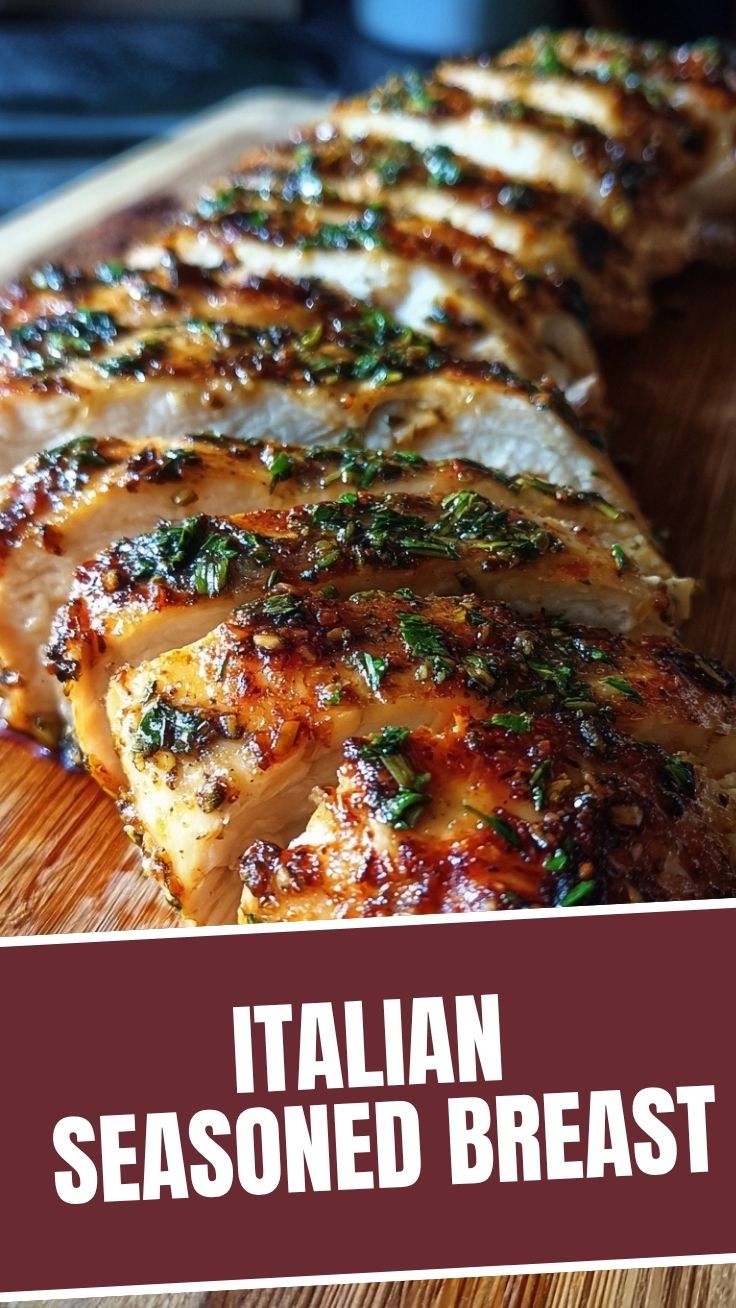
Ever wondered how some home cooks achieve that consistently juicy, flavorful, and perfectly cooked chicken breast every time? It’s a culinary quest many embark on, and the good news is, it’s entirely within your reach! Preparing delicious Baked Chicken Breast at home isn’t just about saving money or eating healthier; it’s about unlocking a versatile protein that can elevate countless meals. Forget dry, bland chicken – with the right techniques, you can transform this kitchen staple into a culinary triumph. And for anyone looking for convenient and delicious Easy Chicken Recipes, mastering the baked chicken breast is an essential first step, opening doors to endless meal prep possibilities and satisfying weeknight dinners.
Ingredients & Kitchen Tools
To embark on your journey to perfect baked chicken, gather these essentials:
- Boneless, Skinless Chicken Breasts (4-6 oz each): Opt for organic or free-range for best flavor and texture.
- Olive Oil (2-3 tbsp): A healthy fat crucial for moisture and achieving a golden-brown crust. Extra virgin is ideal.
- Salt (1 tsp): Enhances flavor. Use sea salt or kosher salt for better control.
- Black Pepper (1/2 tsp): Freshly ground is always best for a more robust aroma.
- Garlic Powder (1 tsp): Provides an aromatic depth without the risk of burnt fresh garlic.
- Paprika (1 tsp): Adds a touch of mild sweetness and a beautiful reddish hue. Smoked paprika can add a smoky twist.
- Dried Herbs (1 tsp, e.g., oregano, thyme, rosemary): For an herbaceous undertone. An Italian seasoning blend works wonderfully.
- Lemon (1/2, optional): A squeeze of fresh lemon juice at the end brightens the flavor considerably.
Kitchen Tools:
- Baking Sheet: Essential for even cooking and easy cleanup.
- Parchment Paper or Aluminum Foil: Prevents sticking and makes cleanup a breeze.
- Meat Thermometer: Crucial for ensuring the chicken is cooked through to a safe internal temperature (165°F/74°C) without overcooking. This is your secret weapon against dry chicken!
- Shallow Dish or Ziploc Bag: For marinating (if desired) or seasoning the chicken.
- Tongs: For handling the hot chicken safely.
- Cutting Board and Sharp Knife: For slicing the cooked chicken.
Prep Time & Cooking Schedule
- Prep Time: 10 minutes (add 30 minutes to 2 hours if marinating)
- Cook Time: 20-30 minutes (depending on thickness)
- Resting Time: 5-10 minutes
For best results, aim to bring your chicken breasts to room temperature for about 15-20 minutes before cooking. This promotes more even cooking. Plan your meal around these times, remembering that the resting period is non-negotiable for juicy chicken.
Step-by-Step Instructions
1. Preheat & Prepare: Preheat your oven to 400°F (200°C). Line a baking sheet with parchment paper or aluminum foil for easy cleanup.
2. Pound (Optional but Recommended): Place each chicken breast between two sheets of plastic wrap. Using a meat mallet or a heavy pan, pound the thicker parts of the chicken until they are of relatively even thickness (about 1 inch). This ensures even cooking and prevents drier spots.
3. Season Generously: In a shallow dish, drizzle the Baked Chicken Breast with olive oil, ensuring it’s lightly coated. In a small bowl, combine salt, pepper, garlic powder, paprika, and dried herbs. Sprinkle this seasoning mixture generously over both sides of the chicken breasts, pressing gently to adhere.
4. Arrange: Place the seasoned chicken breasts on the prepared baking sheet, ensuring there’s a little space between each piece for optimal airflow.
5. Bake to Perfection: Bake for 20-30 minutes, or until a meat thermometer inserted into the thickest part of the breast reads 165°F (74°C). The exact cooking time will vary based on the thickness of your chicken. Avoid opening the oven door too frequently.
6. Rest: Once cooked, remove the chicken from the oven and transfer it to a cutting board. Tent loosely with foil and let it rest for 5-10 minutes. This is a crucial step! It allows the juices to redistribute throughout the meat, guaranteeing a moist and tender result. This resting period is just as vital for making Easy Chicken Recipes more satisfying.
7. Serve: Slice, dice, or shred the chicken as desired and serve immediately. A squeeze of fresh lemon juice before serving is highly recommended.
Nutritional Benefits & Advantages
Chicken breast is a powerhouse of lean protein, essential for muscle repair, growth, and satiety. It’s an excellent source of B vitamins (B3, B6, B12), which are vital for energy metabolism and nervous system function. It also provides phosphorus, selenium, and zinc, supporting bone health, thyroid function, and immune response. Being low in fat and versatile, it’s a fantastic choice for those focusing on weight management, building lean muscle, or simply maintaining a balanced, nutrient-rich diet.
Tips, Variations & Cooking Advice
- Marinades: For an extra flavor boost, marinate the chicken for at least 30 minutes (up to 4 hours) in a simple mixture of olive oil, lemon juice, garlic, herbs, and a touch of honey or Dijon mustard.
- Spice It Up: Add a pinch of cayenne pepper or chili powder to your seasoning blend for a little kick.
- Cheese Topping: In the last 5 minutes of baking, sprinkle some shredded mozzarella, Parmesan, or cheddar cheese over the chicken for a gooey, flavorful crust.
- Vegetable Medley: Roast your favorite vegetables (broccoli, bell peppers, asparagus) alongside the chicken on the same baking sheet for a complete one-pan meal.
- Herbs: Experiment with fresh herbs like chopped rosemary or thyme; add them during the last 10 minutes of baking.
Common Mistakes to Avoid
- Overcrowding the Pan: Too many chicken breasts on one baking sheet can steam the chicken instead of baking it, leading to less browning and a rubbery texture. Use two sheets if necessary.
- Not Pounding Evenly: Uneven thickness leads to parts drying out while other parts are still cooking.
- No Meat Thermometer: Guessing doneness is a recipe for dry, overcooked chicken (or worse, undercooked!). Invest in a good quality instant-read thermometer.
- Skipping the Resting Time: This is critical! Don’t rush it; those few minutes make all the difference in moisture.
- Over-Seasoning or Under-Seasoning: Taste your seasoning blend if possible, and adjust. Chicken needs a good amount of salt and spices.
Storage & Meal Prep Tips
Leftover Baked Chicken Breast can be a meal prep hero! Cool completely, then store in an airtight container in the refrigerator for up to 3-4 days. It can also be frozen for up to 3 months. For freezing, slice or shred the chicken, then lay it flat in a single layer on a baking sheet to freeze individually before transferring to a freezer-safe bag or container. This prevents clumping. Reheat gently in the microwave with a splash of water or broth, or in a covered dish in the oven at a low temperature to retain moisture.
Conclusion
Mastering the perfect Baked Chicken Breast is more than just learning a single recipe; it’s about gaining confidence in the kitchen and equipping yourself with a foundational skill that transforms mealtime. With the right technique, a trusty meat thermometer, and a bit of patience, you can achieve consistently juicy, flavorful results every single time. This is truly one of the most essential Easy Chicken Recipes you’ll ever learn, opening up a world of culinary possibilities for quick lunches, satisfying dinners, and smart meal prep. Give this recipe a try and share your delicious creations with us!
FAQs
Q1: How do I know if my chicken breast is fully cooked without a thermometer?
A1: While a thermometer is highly recommended for accuracy, you can visually check by cutting into the thickest part. The juices should run clear, and the meat should be opaque white throughout, with no pink remaining. However, this method can release juices and potentially lead to drier chicken.
Q2: Can I use bone-in, skin-on chicken breasts for this recipe?
A2: Yes, but the cooking time will be longer (around 35-45 minutes), and the internal temperature still needs to reach 165°F (74°C). The skin provides extra flavor and moisture, though it also adds more fat.
Q3: My chicken always comes out dry. What am I doing wrong?
A3: The most common culprits are overcooking (not using a meat thermometer, or cooking past 165°F) and not letting the chicken rest after baking. Pounding the chicken to an even thickness also helps prevent dry spots.
Q4: How can I add more flavor to a simple baked chicken breast?
A4: Marinades (yogurt-based, citrus, herb), brining, stuffing the chicken with cheese and herbs, or pan-searing briefly after baking to get a crust are all excellent ways to boost flavor. Don’t underestimate the power of a good spice blend!
Q5: What side dishes pair well with baked chicken breast?
A5: Almost anything! Roasted vegetables (broccoli, asparagus, Brussels sprouts), mashed potatoes, quinoa salad, a simple garden salad, rice pilaf, or even pasta are all fantastic choices.