Elevate Your Veggies: Unlocking the Secret to Perfect Roasted Carrots
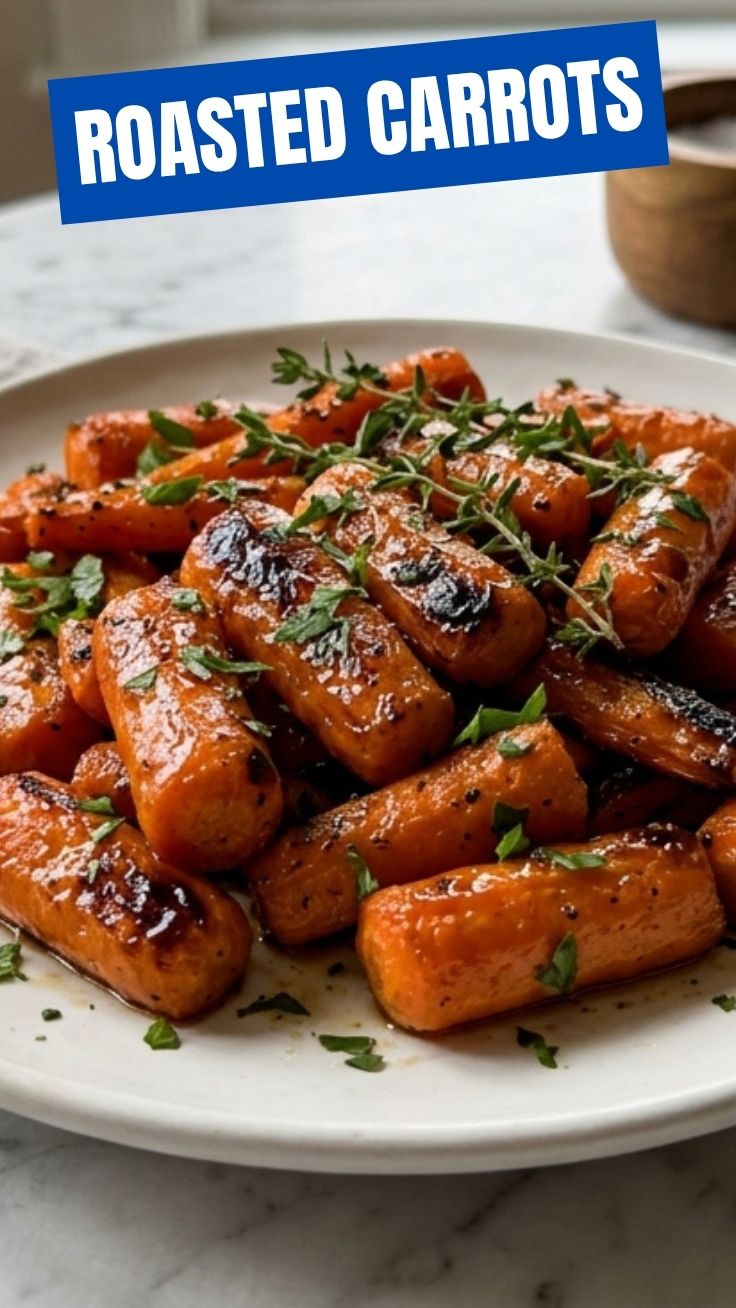
Are you ready to transform humble carrots into a side dish that steals the show? Forget bland, boiled vegetables – today we’re diving into the delightful world of perfectly Roasted Carrots. This incredibly versatile and surprisingly simple technique unlocks a depth of flavor and a tender-crisp texture that will have even the most ardent vegetable skeptics asking for seconds. Crafting a delicious roasted carrots recipe at home isn’t just about preparing food; it’s about creating a wholesome, vibrant addition to any meal, whether it’s a weeknight dinner or a special occasion. Plus, mastering this foundational roasting skill opens the door to countless other culinary adventures. Get ready to impress your taste buds and nourish your body!
Ingredients & Kitchen Tools
Gather your culinary arsenal for this flavorful journey:
- Carrots (1-2 lbs): Fresh, firm carrots are key. Any variety works – traditional orange, rainbow, or even baby carrots for a quicker roast.
- Olive Oil (2-3 tbsp): Extra virgin olive oil is ideal for its flavor and high smoke point. Avocado oil is a good alternative.
- Salt (1/2 – 1 tsp): Coarse sea salt or kosher salt enhances flavor and helps draw out moisture for better caramelization. Adjust to your preference.
- Black Pepper (1/4 – 1/2 tsp): Freshly ground provides the best aroma and taste.
- Optional Seasonings:
* Garlic Powder (1/2 tsp): Adds a savory, aromatic kick.
* Paprika (1/2 tsp): For a touch of warmth and color (smoked paprika adds a delicious smoky note).
* Thyme or Rosemary (1 tsp fresh, 1/2 tsp dried): Classic herbs that pair wonderfully with carrots.
* Maple Syrup or Honey (1 tbsp): For a slight sweetness and extra caramelization.
* Cumin (1/2 tsp): Adds an earthy, warming spice.
- Large Baking Sheet: Essential for even roasting; choose a rimmed one to contain juices.
- Parchment Paper or Silicone Baking Mat: Prevents sticking and makes cleanup a breeze.
- Large Mixing Bowl: For tossing carrots with oil and seasonings.
- Vegetable Peeler: If your carrots aren’t pre-peeled.
- Sharp Knife & Cutting Board: For uniform chopping.
Prep Time & Cooking Schedule
- Prep time: 10-15 minutes (depending on carrot preparation)
- Cook time: 20-30 minutes
- Total time: 30-45 minutes
This recipe is fantastic for busy weeknights. You can prep the carrots ahead of time, store them seasoned in the fridge, and then just pop them in the oven when you’re ready to cook. This short total time makes it an excellent addition to almost any meal.
Step-by-Step Instructions
1. Preheat Your Oven: Position an oven rack in the middle and preheat to 400°F (200°C). This temperature is crucial for achieving that desirable tender-crisp texture.
2. Prepare the Carrots: Wash the carrots thoroughly. If desired, peel them. For even cooking, cut the carrots into uniform pieces. Halve larger carrots lengthwise, or cut them into 1/2-inch to 1-inch thick rounds or sticks. Uniformity is key for perfectly cooked Roasted Carrots.
3. Season Generously: In a large mixing bowl, combine the chopped carrots, olive oil, salt, and black pepper. Add any optional seasonings you desire (garlic powder, paprika, herbs, etc.). Toss until the carrots are evenly coated. Don’t be shy with the seasoning – it’s what gives this roasted carrots recipe its vibrant flavor.
4. Arrange on Baking Sheet: Line your baking sheet with parchment paper or a silicone mat. Spread the seasoned carrots in a single layer. Avoid overcrowding the pan; if necessary, use two baking sheets. Crowding steams the carrots instead of roasting them, preventing proper caramelization.
5. Roast to Perfection: Place the baking sheet in the preheated oven. Roast for 20-30 minutes, flipping or stirring the carrots halfway through, until they are tender when pierced with a fork and beautifully caramelized around the edges. Keep an eye on them towards the end, as oven temperatures can vary.
6. Serve Immediately: Remove from the oven and serve hot. A sprinkle of fresh parsley or a squeeze of lemon juice can add a lovely finishing touch.
Nutritional Benefits & Advantages
Carrots are a powerhouse of nutrition! They are an excellent source of beta-carotene, which the body converts to Vitamin A, essential for vision, immune function, and skin health. They also provide dietary fiber, important for digestive health, and significant amounts of antioxidants that combat free radicals. Roasting preserves many of these nutrients while making them more palatable and enjoyable, offering a delicious way to boost your daily vegetable intake.
Tips, Variations & Cooking Advice
- Sweet & Savory: Add a tablespoon of maple syrup or honey along with a pinch of cayenne pepper for a delightful sweet and spicy kick.
- Herby Freshness: Finish with fresh parsley, dill, or chives after roasting for a burst of fresh flavor.
- Citrus Glaze: A squeeze of orange juice or lemon juice after roasting brightens the flavors.
- Spice It Up: Experiment with curry powder, chili powder, or smoked paprika for different flavor profiles.
- Roast with Other Veggies: Carrots pair well with other root vegetables like parsnips or potatoes, or denser vegetables like Brussels sprouts. Adjust cooking times as needed.
- Gluten-Free & Dairy-Free: This recipe is naturally gluten-free and dairy-free!
- Portion Control: Easily scale the recipe up or down depending on your needs.
Common Mistakes to Avoid
- Overcrowding the Pan: As mentioned, this leads to steaming instead of roasting, resulting in soft, mushy carrots without any caramelization. Always use a single layer.
- Unevenly Cut Carrots: Leads to some pieces being burnt while others are undercooked. Take the time to cut them uniformly.
- Too Low Heat: While gentle cooking has its place, a high enough temperature (400°F is ideal) is crucial for exterior browning and caramelization.
- Not Enough Oil: Oil is essential for flavor, even cooking, and preventing sticking. Don’t skimp!
- Forgetting to Flip/Stir: Turning the carrots ensures even browning on all sides.
Storage & Meal Prep Tips
Leftover Roasted Carrots are fantastic for meal prep! Store them in an airtight container in the refrigerator for up to 3-4 days. They are delicious cold in salads or can be gently reheated. To reheat, spread them on a baking sheet and warm them in a 350°F (175°C) oven for 5-10 minutes, or microwave gently to avoid overcooking. Freezing is generally not recommended as it alters the texture significantly.
Conclusion
Mastering perfectly Roasted Carrots elevates them from a simple side dish to a culinary delight. With just a few basic ingredients and straightforward steps, you can create a vibrant, flavorful, and incredibly nutritious addition to any meal. This versatile roasted carrots recipe is not just about cooking; it’s about bringing out the natural sweetness and satisfying texture of this humble root vegetable. We encourage you to try this recipe, experiment with different seasonings, and share your delicious results! What’s your favorite way to enjoy roasted vegetables? Let us know in the comments below!
FAQs
Q1: Do I need to peel the carrots?
A1: Peeling is optional. Young, fresh carrots can be simply scrubbed clean. For older carrots or if you prefer a smoother texture, peeling is recommended.
Q2: Can I use baby carrots?
A2: Absolutely! Baby carrots roast wonderfully. Just be aware they may cook a bit faster due to their smaller size.
Q3: My carrots aren’t getting crispy, what went wrong?
A3: The most common culprits are overcrowding the baking sheet (leading to steaming) or an oven temperature that’s too low. Ensure a single layer and preheat your oven properly to 400°F.
Q4: How can I make these sweeter?
A4: Drizzle 1-2 tablespoons of maple syrup, honey, or even a touch of brown sugar over the carrots before roasting. This also helps with caramelization.
Q5: What other seasonings pair well with roasted carrots?
A5: Beyond the suggestions in the post, try a touch of ginger, curry powder, or a dash of balsamic glaze after roasting for added complexity.