Master the Art of Homemade Pad Thai: Your Ultimate Guide
Have you ever savored that perfect blend of sweet, sour, salty, and spicy in a restaurant, and wished you could recreate that magic at home? Crafting your own delicious Pad Thai isn’t just about saving money; it’s about unlocking a world of fresh flavors, customizing ingredients to your taste, and impressing your loved ones with a truly authentic dish. This comprehensive guide will walk you through every step of preparing this iconic Thai stir-fry, ensuring your Noodles are perfectly cooked and your sauce is balanced to perfection. Get ready to embark on a culinary journey that will transform your kitchen into a bustling street food stall.
Ingredients & Kitchen Tools
To create this delectable dish, gather the following:
Ingredients:
- 8 oz Dried Rice Noodles (Pad Thai style): Medium width, flat, for that authentic chewy texture.
- 2 tbsp Tamarind Paste: Adds the characteristic sour note; found in Asian markets.
- 2 tbsp Fish Sauce: Essential for umami and saltiness.
- 1 tbsp Palm Sugar (or brown sugar): For sweetness and depth of flavor.
- 1 tbsp Fresh Lime Juice: Brightens the sauce, added at the end.
- 2 tbsp Vegetable Oil: For stir-frying.
- 8 oz Shrimp (peeled & deveined) or Chicken Breast (sliced thin): Your protein choice.
- 2 cloves Garlic (minced): Aromatic base.
- 1 Shallot (minced): Adds a delicate onion flavor.
- 1 Large Egg: Scrambled into the stir-fry.
- 1 cup Bean Sprouts: For freshness and crunch.
- 1/2 cup Firm Tofu (pressed, cubed & pan-fried): Optional, but adds texture and protein.
- 1/4 cup Roasted Peanuts (chopped): Garnish for nutty flavor and crunch.
- 2 tbsp Chopped Fresh Chives or Green Onions: Garnish for mild oniony flavor.
- Chili Flakes or Sriracha: To taste, for heat.
- Lime Wedges: For serving.
Kitchen Tools:
- Large Wok or Skillet: Essential for even stir-frying.
- Large Mixing Bowl: For soaking noodles.
- Small Bowl: For preparing the sauce.
- Spatula or Wok Utensil: For tossing and stirring.
- Cutting Board & Knife: For prep work.
- Measuring Spoons & Cups: For accurate ingredient ratios.
Prep Time & Cooking Schedule
- Prep Time: 20 minutes (includes soaking noodles, chopping ingredients)
- Cook Time: 15 minutes
- Total Time: 35 minutes
Begin by soaking your rice noodles. This is a crucial step to ensure they cook quickly in the wok without becoming mushy. While they hydrate, prepare your protein, mince your aromatics, and whisk together your sauce. This dish moves fast once you start cooking, so having all your ingredients prepped and ready (mise en place) is key to a successful stir-fry.
Step-by-Step Instructions
1. Soak the Noodles: Place the dried rice noodles in a large bowl and cover with hot tap water (not boiling, as it can make them too soft). Let them soak for 15-20 minutes, or until pliable but still firm to the bite. Drain well and set aside.
2. Prepare the Sauce: In a small bowl, combine the tamarind paste, fish sauce, palm sugar, and fresh lime juice. Stir until the sugar dissolves completely. Taste and adjust to your preference – aim for a balance of sweet, sour, and salty.
3. Stir-fry Aromatics & Protein: Heat the vegetable oil in a large wok or skillet over medium-high heat. Add the minced garlic and shallot, stir-frying for 30 seconds until fragrant. Add your chosen protein (shrimp or chicken) and cook until nearly done, about 2-3 minutes. If using tofu, add it now and stir-fry until golden.
4. Add Egg: Push the ingredients to one side of the wok. Crack the egg into the empty space and scramble until just set. Then, gently mix it into the other ingredients.
5. Combine Pad Thai and Sauce: Add the drained rice noodles to the wok. Pour the prepared sauce over the noodles. Using two spatulas or tongs, toss everything together vigorously for 2-3 minutes, ensuring the noodles are evenly coated and heated through. The noodles should become tender but still have a slight chew.
6. Finishing Touches: Add the bean sprouts and half of the chopped chives/green onions. Toss for another minute until the bean sprouts are just slightly wilted but still crunchy.
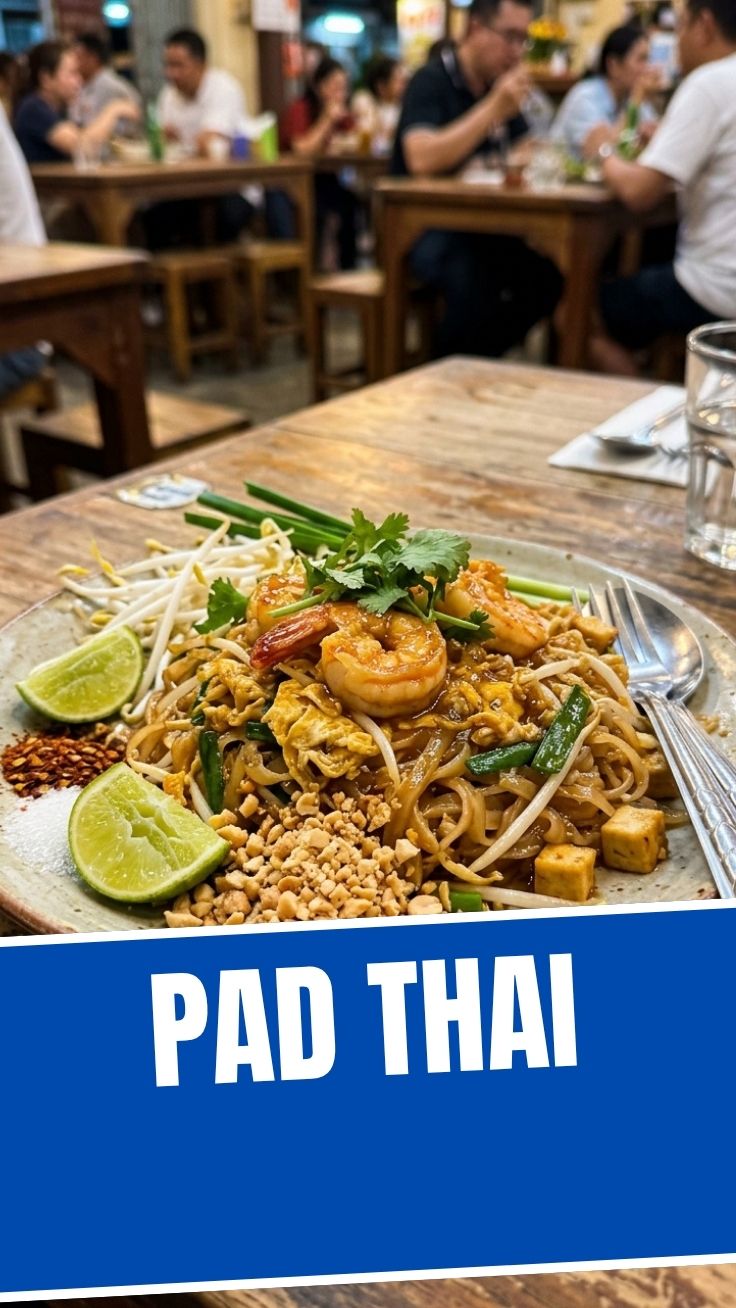
7. Serve: Transfer the Pad Thai immediately to serving plates. Garnish with the remaining chopped chives/green onions, chopped peanuts, a sprinkle of chili flakes (if desired), and lime wedges on the side for squeezing.
Nutritional Benefits & Advantages
Homemade Pad Thai offers numerous nutritional perks. Rice Noodles are naturally gluten-free, making this dish accessible for those with dietary restrictions. The fresh vegetables like bean sprouts provide essential vitamins and fiber, while lean proteins such as shrimp or chicken offer a good source of protein. By making it at home, you control the amount of sugar and sodium, allowing for a healthier rendition compared to many restaurant versions. Tamarind is also known for its antioxidant properties, adding a beneficial boost to this flavorful meal.
Tips, Variations & Cooking Advice
- Spice Level: Adjust chili flakes or Sriracha to your desired heat.
- Vegetarian/Vegan: Omit shrimp/chicken. Increase tofu, add more vegetables like bell peppers or carrots, and use a vegan fish sauce substitute.
- Peanut Allergy: Omit peanuts and garnish with toasted cashews or sesame seeds instead.
- Crispy Tofu: For extra-crispy tofu, press it thoroughly to remove excess water, then cornstarch it lightly before pan-frying.
- Don’t Overcook Noodles: Keep an eye on the Noodles while stir-frying. Overcooked Noodles become mushy; undercooked ones are too stiff.
- High Heat is Key: Use a high heat for stir-frying to get that desirable ‘wok hei’ (breath of the wok) flavor and prevent ingredients from stewing.
Common Mistakes to Avoid
- Over-soaking Noodles: Leads to gummy, broken noodles. Stick to the suggested soak time.
- Crowding the Wok: Cooking too many ingredients at once lowers the wok’s temperature, steaming rather than stir-frying, resulting in a soggy dish. Cook in batches if necessary.
- Skipping Mise en Place: Stir-frying is fast. If your ingredients aren’t ready, you’ll burn something while scrambling.
- Incorrect Sauce Balance: Taste your sauce! It’s the heart of the dish. Adjust sweet, sour, and salty before adding it to the wok.
Storage & Meal Prep Tips
Leftover Pad Thai can be stored in an airtight container in the refrigerator for up to 3 days. The Noodles may absorb more sauce and become softer. To reheat, gently warm in a microwave or a skillet over medium heat, adding a splash of water or lime juice to refresh. Freezing is not recommended as it significantly alters the texture of the Noodles and vegetables. For meal prep, you can prepare the sauce and chop all vegetables ahead of time, storing them separately in the fridge. Cook fresh when ready to eat.
Conclusion
Mastering homemade Pad Thai is a rewarding culinary achievement. By following these steps, you can create a dish that rivals your favorite takeout, perfectly balancing sweet, sour, salty, and spicy notes, with perfectly tender Noodles. We encourage you to try this recipe, experiment with your favorite proteins and vegetables, and share your delicious results! What’s your secret ingredient for the perfect Noodles?
FAQs
Q1: Can I use fresh rice noodles instead of dried?
A1: Yes, fresh rice noodles can be used. They typically require less soaking or sometimes none at all. Follow package instructions, as they can be delicate.
Q2: My Pad Thai tastes bland. How can I fix it?
A2: The sauce balance is key. Add more fish sauce for saltiness, lime juice for sourness, or palm sugar for sweetness. A dash of Sriracha can also enhance the overall flavor.
Q3: How do I prevent the noodles from sticking together?
A3: Ensure your noodles are properly soaked (flexible but not mushy) and drained well. Cook with sufficient oil in a hot wok, and toss continuously during stir-frying. Adding a small amount of oil to the soaked Noodles before adding them to the wok can also help.
Q4: Can I make this dish ahead of time for a party?
A4: While best served immediately, you can prep all components (sauce, chopped veggies, cooked protein) in advance. Then, just before serving, quickly assemble and stir-fry the Noodles and combine the elements.
Q5: What are common alternatives for tamarind paste?
A5: While tamarind is crucial for authentic flavor, a mix of lime juice and a tiny bit of brown sugar or rice vinegar can be a substitute in a pinch, though the flavor profile will differ slightly.