Dive into Summer: Savoring Delicious Low-Calorie Seafood
Craving a meal that’s both light and satisfying, perfect for those long summer days? Imagine a dish that brings the freshness of the ocean to your plate without weighing you down. Preparing low calorie seafood recipes summer at home isn’t just about saving money; it’s about crafting a personalized culinary experience, ensuring fresh ingredients, and tailoring flavors to your exact preference. This post will guide you through creating a delightful and healthy summer meal that celebrates the best of the season, showing you how easy it is to whip up dishes, including vibrant light shrimp summer salads, right in your own kitchen.
Ingredients & Kitchen Tools
Here’s what you’ll need to create this refreshing summer dish:
Ingredients:
- 1 lb Medium Shrimp, peeled and deveined: The star of our show, providing lean protein and a sweet, briny flavor. Fresh or frozen (thawed) works best.
- 1 tbsp Olive Oil: For sautéing and adding a healthy fat component.
- 1 Bell Pepper (any color), finely diced: Adds sweetness, crunch, and a vibrant color.
- 1/2 Red Onion, finely diced: Offers a sharp, zesty kick.
- 1 cup Cooked Quinoa or Couscous: A fantastic gluten-free grain option, rich in protein and fiber, or a lighter, quicker-cooking alternative.
- 1/4 cup Fresh Parsley, chopped: Brightens the dish with a herbaceous note.
- 1/4 cup Fresh Mint, chopped: Adds a refreshing, cooling element perfect for summer.
- 2 tablespoons Lemon Juice, freshly squeezed: Essential for cutting through richness and enhancing flavors.
- 1 tsp Lemon Zest: Intensifies the citrus aroma and taste.
- Salt and Black Pepper to taste: The fundamental seasonings.
- Optional: Cherry Tomatoes (halved), Cucumber (diced), or Avocado (diced) for extra freshness and healthy fats.
Kitchen Tools:
- Large Skillet or Pan: For cooking the shrimp and vegetables.
- Large Mixing Bowl: To combine all the ingredients.
- Cutting Board and Sharp Knife: For preparing vegetables and herbs.
- Citrus Juicer/Reamer: To extract juice from lemons efficiently.
- Measuring Cups and Spoons: For accurate ingredient quantities.
- Grater (for zest): To get fine lemon zest.
Prep Time & Cooking Schedule
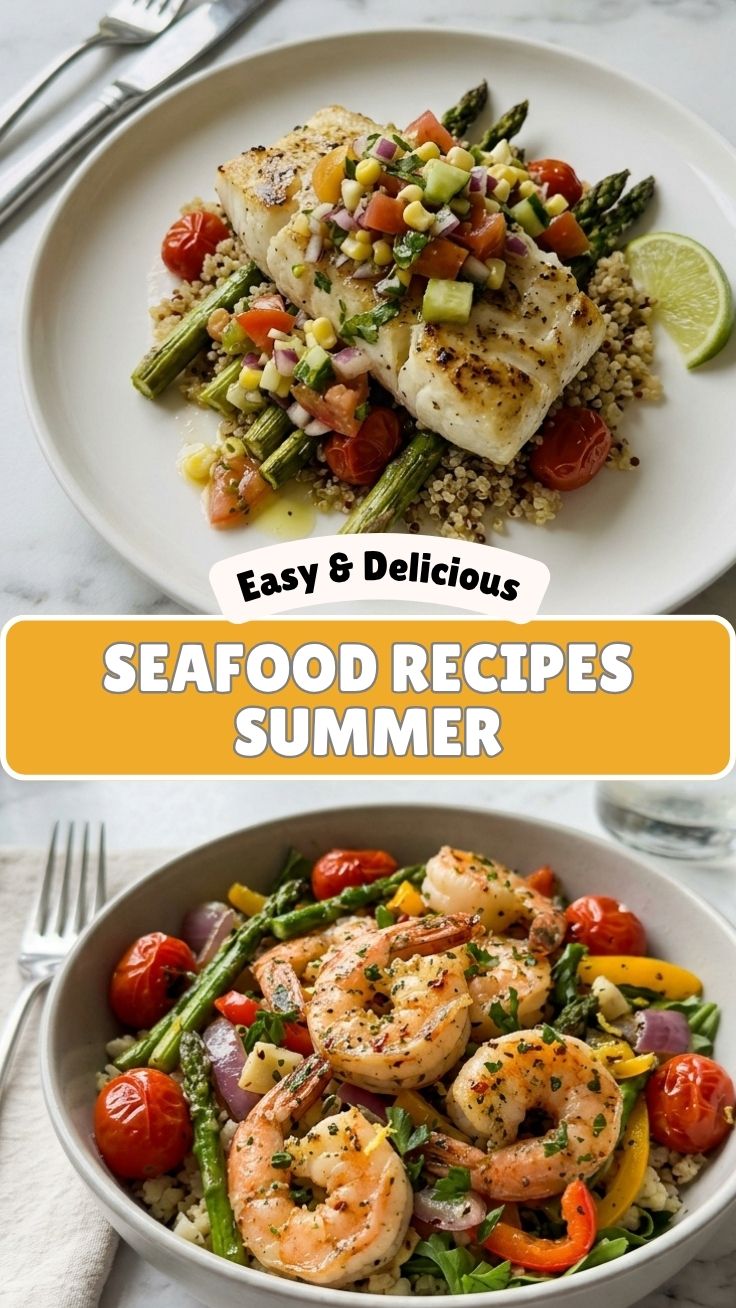
This recipe is designed for efficiency, making it perfect for a quick weeknight meal or a leisurely weekend lunch.
- Prep Time: 15 minutes (Includes chopping vegetables, mincing herbs, and peeling shrimp)
- Cook Time: 10 minutes (Sautéing shrimp and quick assembly)
- Resting Time: 15-20 minutes (Optional, allows flavors to meld and salad to cool slightly for optimal freshness)
You can prep your vegetables and cook the quinoa/couscous in advance to further reduce active cooking time. This dish is best served chilled or at room temperature, making it an excellent candidate for picnics or meal prep.
Step-by-Step Instructions
Follow these simple steps to create your delicious and healthy summer seafood dish:
1. Prepare the Grains: If using uncooked quinoa or couscous, prepare according to package instructions. Fluff with a fork and set aside to cool. This is a crucial base for our low calorie seafood recipes summer.
2. Sauté the Aromatics: Heat olive oil in a large skillet over medium heat. Add diced bell pepper and red onion. Sauté for 3-5 minutes until softened but still retaining some crispness.
3. Cook the Shrimp: Increase heat slightly. Add peeled and deveined shrimp to the skillet. Cook for 2-3 minutes per side, or until pink and opaque. Avoid overcooking, as this can make the shrimp rubbery.
4. Combine Ingredients: In a large mixing bowl, combine the cooled cooked quinoa/couscous, sautéed bell pepper and red onion, cooked shrimp, fresh parsley, and fresh mint.
5. Dress the Salad: Drizzle with fresh lemon juice and sprinkle with lemon zest. Season generously with salt and black pepper.
6. Toss and Serve: Gently toss all ingredients together until well combined. For the best flavor, allow the salad to rest for 15-20 minutes before serving. This truly enhances all the vibrant flavors in our light shrimp summer salads.
Nutritional Benefits & Advantages
This recipe is a powerhouse of nutrition tailored for a healthy lifestyle. Shrimp is an excellent source of lean protein, low in calories, and rich in essential nutrients like selenium, vitamin B12, and phosphorus. Quinoa or couscous provides complex carbohydrates for sustained energy, along with fiber for digestive health. The abundance of fresh vegetables and herbs contributes essential vitamins, minerals, and antioxidants, supporting overall well-being. This dish is naturally gluten-free (if using quinoa), dairy-free, and perfectly aligned with a calorie-conscious diet. Lemon juice adds a boost of Vitamin C, further enhancing its health profile.
Tips, Variations & Cooking Advice
- Spice It Up: Add a pinch of red pepper flakes with the bell peppers for a subtle heat.
- Herb Variations: Feel free to experiment with other fresh herbs like dill or cilantro.
- Vegetable Swaps: Cherry tomatoes, diced cucumber, or even grilled zucchini can be fantastic additions.
- Protein Alternatives: While shrimp is excellent, grilled chicken breast or firm white fish (like cod or tilapia) can also be used.
- Serving Suggestions: Serve this as a light main course, a side dish, or pack it for a healthy lunch.
- Low-Carb Option: For an even lower-carb version, replace quinoa/couscous with spiralized zucchini noodles or extra mixed greens.
Common Mistakes to Avoid
- Overcooking the Shrimp: Shrimp cooks very quickly. Overcooked shrimp becomes tough and rubbery. Watch for it to turn pink and opaque.
- Skipping Fresh Herbs: Dried herbs won’t give you the same vibrant, fresh taste that is key to this summer dish.
- Not Cooling Grains: Adding hot grains to fresh ingredients can wilt your herbs and vegetables. Ensure your quinoa or couscous is cooled before mixing.
- Lack of Seasoning: Don’t be shy with salt, pepper, and lemon juice. These elevate the flavors significantly. Taste and adjust!
Storage & Meal Prep Tips
This refreshing seafood dish is excellent for meal prepping.
- Storage: Store leftovers in an airtight container in the refrigerator for up to 2-3 days.
- Freezing: This specific recipe is not ideal for freezing due to the fresh vegetables and cooked shrimp, which can change texture upon thawing.
- Reheating: It’s best served chilled or at room temperature. If you prefer it slightly warm, you can gently heat a portion in the microwave for 30-60 seconds, but be careful not to overcook the shrimp.
- Meal Prep Hack: Cook a larger batch of quinoa/couscous at the beginning of the week. This will significantly cut down on your prep time for subsequent meals.
Conclusion
Embrace the delicious possibilities of summer dining with this incredibly easy, healthy, and flavorful dish. Mastering low calorie seafood recipes summer at home opens up a world of fresh, satisfying meals perfect for the season. This recipe offers a fantastic way to enjoy lean protein and vibrant vegetables, making it a staple for your warm-weather cooking. Whether you’re planning a light lunch or a refreshing dinner, remember the simplicity and nutritional benefits of preparing exquisite dishes like light shrimp summer salads. Give this recipe a try and share your delightful creations! What are your favorite summer seafood combinations?
FAQs
Q1: Can I use pre-cooked shrimp for this recipe?
A1: Yes, you can. If using pre-cooked shrimp, you’ll only need to warm them through for about 1-2 minutes in the pan with the vegetables, or simply add them directly to the cooled grains if you prefer not to cook them further.
Q2: What’s a good substitution for red onion if I don’t like its sharp taste?
A2: You can use scallions (green onions) for a milder onion flavor, or soak the diced red onion in ice water for 15 minutes before using to reduce its sharpness.
Q3: Is this recipe suitable for a family with picky eaters?
A3: This recipe is quite versatile. You can serve the shrimp and grain mixture separately, allowing picky eaters to choose their preferred components. Adding a familiar vegetable like corn or peas might also help.
Q4: How can I make this dish more filling without adding too many calories?
A4: Increase the amount of quinoa/couscous, or add more non-starchy vegetables like diced cucumber, cherry tomatoes, or even some leafy greens like spinach or arugula. A drizzle of light vinaigrette can also enhance flavor without heavy calories.