Summer Salad Superstars: Your Guide to Mouthwatering, Guilt-Free Feasts
Ever find yourself dreaming of vibrant, refreshing meals that don’t weigh you down, especially as temperatures climb? You’re not alone! Crafting delicious and healthy low calorie summer salads at home is not just about saving money; it’s about taking control of your ingredients, customizing flavors, and ensuring every bite contributes to your well-being. This guide will show you how to effortlessly assemble summer salads that are bursting with flavor, incredibly satisfying, and perfect for any occasion. Whether you’re aiming for a light lunch or a delightful side dish, mastering these techniques will elevate your culinary game. We’ll also explore fantastic low carb salad ideas that prove healthy eating can be incredibly exciting and easy to prepare.
Ingredients & Kitchen Tools
Here’s what you’ll need to create your summer salad masterpiece, with some handy clarifications:
Mixed Greens (4-6 cups): Opt for a vibrant blend like spring mix, romaine, or spinach for a nutrient-packed base. Adds essential vitamins and fiber.*
Cherry Tomatoes (1 cup, halved): Sweet and juicy, these add a pop of color and flavor. Rich in antioxidants.*
Cucumber (1 large, diced): Hydrating and crisp, perfect for a refreshing crunch. High water content.*
Bell Pepper (1 medium, any color, thinly sliced): Adds sweetness and crunch. Excellent source of Vitamin C.*
Grilled Chicken Breast or Chickpeas (6 oz cooked): Lean protein to make it a satisfying meal. Muscle repair and satiety.*
Avocado (1 ripe, diced): Creamy texture and healthy fats. Monounsaturated fats for heart health.*
Feta Cheese (1/4 cup, crumbled, optional): Salty tang for flavor enhancement. Adds calcium and protein.*
Lemon (1, juiced): Brightens the dressing and enhances other flavors. Vitamin C and acidity.*
Extra Virgin Olive Oil (3 tbsp): Base for a healthy dressing. Healthy fats and antioxidants.*
Dijon Mustard (1 tsp): Emulsifier for the dressing and adds a subtle kick. Flavor depth.*
Fresh Herbs (e.g., basil, mint, parsley, 2 tbsp chopped): Essential for fresh, aromatic flavor. Vitamins and freshness.*
Salt and Black Pepper (to taste): Basic seasoning. Flavor enhancement.*
Kitchen Tools:
- Large Mixing Bowl: For combining all salad ingredients.
- Whisk or Fork: For emulsifying the dressing.
- Cutting Board & Sharp Knife: For ingredient preparation.
- Measuring Cups & Spoons: For accurate ingredient quantities.
- Salad Tongs: For easy serving and tossing.
Prep Time & Cooking Schedule
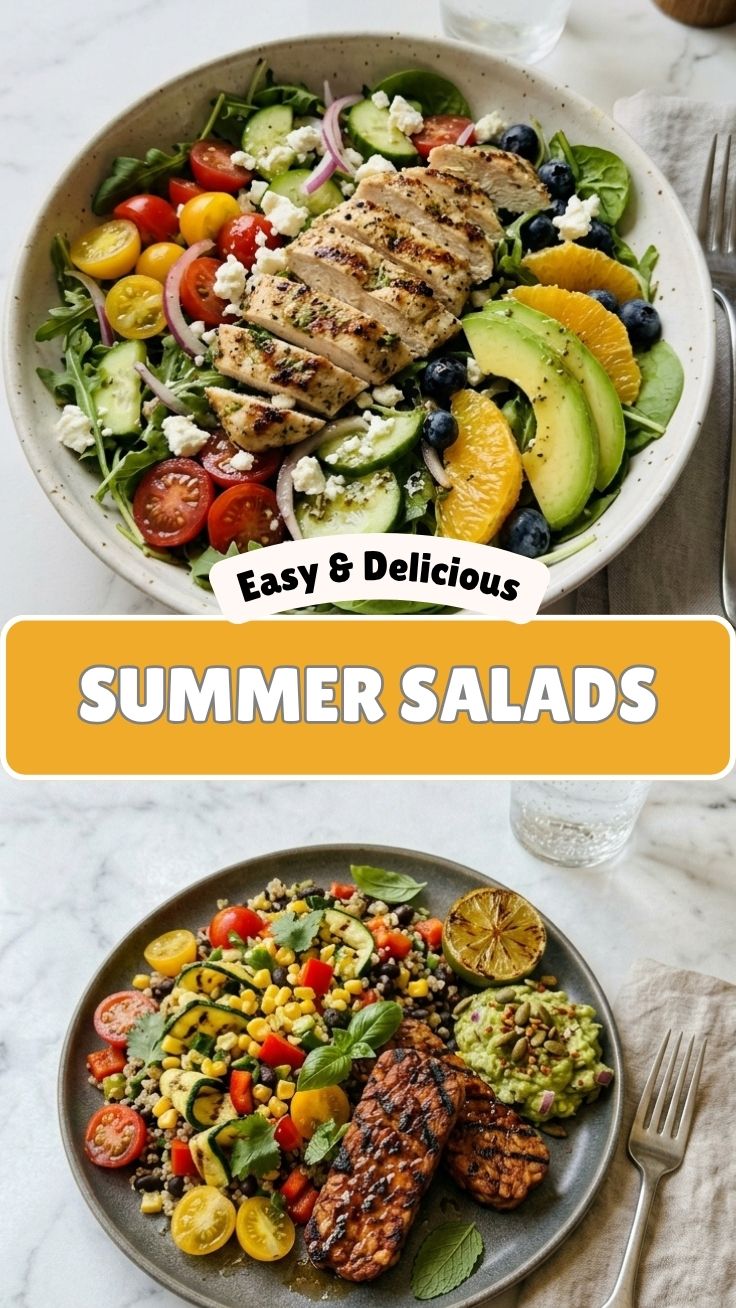
This recipe is designed for maximum flavor with minimal effort, making it perfect for busy weeknights or relaxed weekends.
- Prep Time: 15-20 minutes (if using pre-cooked protein)
- Cook Time: 0 minutes (if ingredients like chicken are pre-cooked); 15-20 minutes if grilling fresh chicken.
- Resting Time: 5 minutes (allowing flavors to meld slightly before serving)
To optimize your schedule, consider prepping vegetables like chopping cucumbers and bell peppers a day in advance. If you’re grilling chicken, do it during a less busy time and refrigerate it. This makes assembling your low calorie summer salads a breeze when hunger strikes.
Step-by-Step Instructions
1. Prepare the Vinaigrette: In a small bowl, whisk together the lemon juice, extra virgin olive oil, Dijon mustard, a pinch of salt, and a grind of black pepper. Continue whisking until well emulsified. This forms the zesty foundation for your low calorie summer salads.
2. Chop & Combine Veggies: In a large mixing bowl, combine the mixed greens, halved cherry tomatoes, diced cucumber, bell pepper slices, and fresh herbs.
3. Add Protein & Healthy Fats: Gently fold in your cooked grilled chicken or chickpeas, and the diced avocado. If using, crumble in the feta cheese now. This ensures a balanced meal, especially for those focusing on low carb salad ideas.
4. Dress & Toss: Pour the prepared vinaigrette over the salad ingredients. Using salad tongs, gently toss until all components are evenly coated. A light hand here prevents bruising the delicate greens.
5. Season & Serve: Taste the salad and adjust the seasoning with more salt, pepper, or lemon juice if desired. Serve immediately to enjoy the freshest flavors and textures.
Nutritional Benefits & Advantages
This salad is a powerhouse of nutrition! The mixed greens, tomatoes, cucumbers, and bell peppers provide a rich array of vitamins (A, C, K), minerals, and dietary fiber, promoting digestive health and boosting immunity. Lean protein from chicken or chickpeas supports muscle maintenance and provides sustained energy, preventing those afternoon slumps. Healthy fats from avocado and olive oil are crucial for hormone production, nutrient absorption, and heart health. By opting for a homemade dressing, you significantly reduce hidden sugars and unhealthy fats often found in store-bought options, making this a truly health-conscious choice.
Tips, Variations & Cooking Advice
- Flavor Boosters: Add toasted nuts (almonds, walnuts) or seeds (sunflower, pumpkin) for extra crunch and healthy fats. A sprinkle of nutritional yeast can add a cheesy, umami flavor.
- Ingredient Swaps:
* Protein: Try grilled shrimp, flaked salmon, hard-boiled eggs, or cannellini beans for variety.
* Veggies: Incorporate corn, red onion, radishes, or shredded carrots.
* Cheese: Goat cheese or a sprinkle of Parmesan can also work wonders.
- Dressing Alternatives: For a creamy twist, blend the lemon vinaigrette with a tablespoon of Greek yogurt or tahini. A balsamic glaze can also add a delightful sweetness.
- Dietary Adaptations: This recipe is naturally gluten-free. For a dairy-free option, simply omit the feta cheese.
- Temperature Control: Ensure your grilled chicken is fully cooled before adding it to the salad to prevent wilting the greens.
Common Mistakes to Avoid
- Over-dressing: Starting with too much dressing can make your salad soggy. Always add a little at a time and toss until evenly coated. You can always add more, but you can’t take it away!
- Dressing too early: Dressing the salad too far in advance will lead to wilted greens. Dress right before serving for optimal freshness and crunch.
- Insufficient Variety: Sticking to just one type of green can be boring. Mix it up with different textures and flavors.
- Not seasoning the components: A well-seasoned salad comes from seasoning each component subtly (e.g., light salt on cucumber) rather than relying solely on the dressing for flavor.
Storage & Meal Prep Tips
This salad is best enjoyed fresh. However, if you’re meal prepping, keep the dressed and undressed components separate.
- Undressed Salad: Store the mixed greens, chopped vegetables, and cooked protein in separate airtight containers in the refrigerator for up to 3-4 days. This preserves their crispness and prevents premature wilting.
- Dressing: Store the vinaigrette in a separate airtight jar in the refrigerator for up to a week. Shake well before use.
- Assembly: When ready to eat, simply combine your chosen components, add the dressing, and toss. If you plan to add tender ingredients like avocado, add them just before serving to prevent browning.
Conclusion
Embracing the art of crafting refreshing and flavorful salads can transform your approach to healthy eating. These low calorie summer salads are not only simple to prepare but also provide a canvas for endless creativity and nutritional benefits, ensuring you never compromise on taste while pursuing a healthier lifestyle. We’ve shown how easy it is to whip up meals that are both delectable and nourishing, perfectly fitting into your pursuit of vibrant low carb salad ideas. We encourage you to try this recipe and share your personalized variations in the comments below! Tag us on social media with your salad creations – we’d love to see how you make it your own!
FAQs
Q1: Can I make this salad vegetarian or vegan?
A1: Absolutely! Replace the grilled chicken with chickpeas, black beans, or lentils for a hearty vegetarian option. For a vegan version, simply omit the feta cheese.
Q2: How can I prevent my avocado from browning in the salad?
A2: Add the diced avocado just before serving. If you must prep in advance, toss the diced avocado with a squeeze of lemon juice, which helps to slow down oxidation.
Q3: What’s the best way to clean my mixed greens?
A3: Rinse your greens thoroughly under cold water, then use a salad spinner to remove excess moisture. This is crucial for preventing a soggy salad and allowing the dressing to adhere properly.
Q4: Can I use a different type of vinegar for the dressing?
A4: Yes, while lemon juice provides a bright acidity, you can experiment with apple cider vinegar or white wine vinegar for different flavor profiles. Adjust to your taste preferences.
Q5: How can I make this salad more filling without adding many calories?
A5: Increase the lean protein (e.g., more chicken, edamame), add a greater variety of fiber-rich vegetables (broccoli florets, green beans), or incorporate a small amount of quinoa or farro for healthy complex carbohydrates.